

Exterior painting is an essential part of maintaining the appearance and integrity of a building. Here are some best practices to follow:
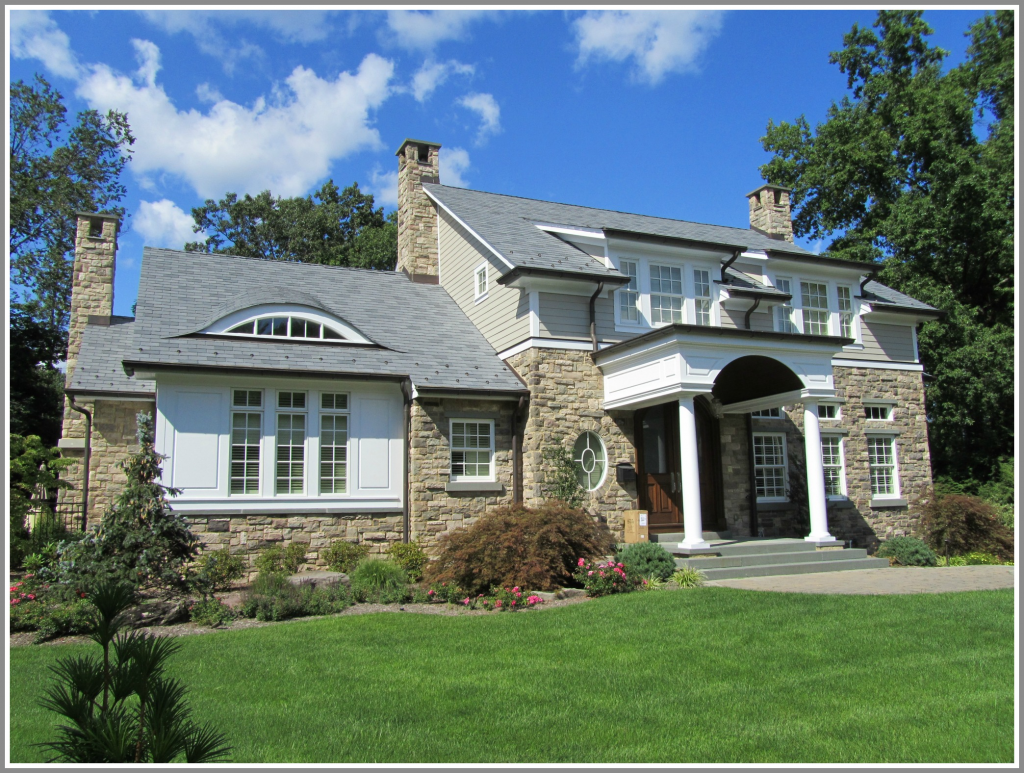
- Surface Preparation:
- Proper surface preparation is crucial for a successful paint job. This includes cleaning the surface thoroughly to remove dirt, dust, mold, and mildew.
- Repair any damaged areas such as cracks, holes, or peeling paint. Fill cracks with caulk and patch holes with appropriate fillers. Sand rough areas to create a smooth surface.
- Choose the Right Paint:
- Select high-quality exterior paint that is suitable for the surface you’re painting (wood, stucco, brick, etc.).
- Consider the climate and environmental conditions of your area. Choose paint that is durable and can withstand the elements.
- Priming:
- Priming is essential, especially for bare surfaces or when painting over a significantly different color. Primer helps the paint adhere better and provides a more uniform finish.
- Use an appropriate primer based on the surface material and the type of paint you’ll be applying.
- Weather Considerations:
- Avoid painting in extreme weather conditions such as high humidity, rain, or direct sunlight. Ideally, choose a day with mild temperatures and low humidity.
- Ensure the surface is dry before painting, and avoid painting if rain is forecasted within the next 24 hours.
- Proper Tools and Equipment:
- Use high-quality brushes, rollers, and sprayers suitable for exterior painting. Quality tools can make a significant difference in the final result.
- Cover nearby surfaces and landscaping to protect them from paint splatters and spills.
- Technique:
- Apply paint evenly and consistently, working from the top down.
- Use long, smooth strokes, especially on large flat surfaces like siding.
- Pay attention to areas that are prone to water damage, such as around windows, doors, and trim, ensuring thorough coverage.
- Multiple Coats:
- In most cases, applying two coats of paint will provide better coverage and durability. Allow the first coat to dry completely before applying the second coat.
- Clean-Up:
- Clean brushes, rollers, and other painting tools thoroughly with appropriate solvents or water, depending on the type of paint used.
- Dispose of paint waste responsibly, following local regulations for hazardous waste disposal if necessary.
- Maintenance:
- Regularly inspect the painted surfaces for any signs of damage or wear, such as peeling or fading. Touch up areas as needed to maintain the appearance and protect against further damage.
Following these best practices can help ensure a professional-looking and long-lasting exterior paint job. If you’re unsure about any step or aspect of the process, contact Perfection Plus Painting today for professional advice or a free proposal.