

Interior Painting Best Practices for a Professional Finish
A successful interior painting project depends on much more than applying a new color to the walls. Proper surface preparation, primers, quality coatings, application techniques, drying time, and final inspection all contribute to the appearance and durability of the finished work.
With 40 years of residential painting experience in Bergen County, Perfection Plus Painting has worked with everything from straightforward wall repainting to detailed trim, architectural woodwork, plaster repairs, and complex interior finishes. Here are some of the practices that help produce a professional interior painting result.
-
Preparation:
- Clear the room of furniture or cover it with drop cloths to protect from paint splatter.
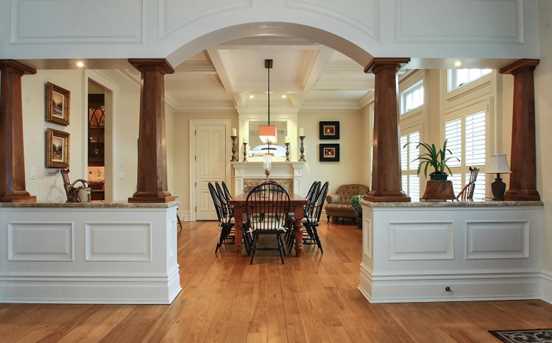
Wyckoff dining room featuring detailed architectural woodwork, painted wall paneling, trim, and stained columns finished by Perfection Plus Painting.
- Remove switch plates, outlet covers, and any other fixtures that can be detached.
- Clean walls thoroughly to remove dust, dirt, and grease.
- Fill holes and cracks with spackling compound and sand them smooth once dry.
- Clear the room of furniture or cover it with drop cloths to protect from paint splatter.
-
Priming:
- Choose the primer according to the existing surface, previous coating, stains, repairs, and finish being applied. Stain-blocking, bonding, and other specialty primers should be used where conditions require them.
-
Choosing the Right Paint:
- Select high-quality paint for better coverage and durability.
- Choose the appropriate paint finish for each room (e.g., flat for low-traffic areas, satin or eggshell for high-traffic areas, semi-gloss or gloss for trim and doors).
-
Color Sampling:
- Test paint colors on small sections of the wall to see how they look in different lighting conditions throughout the day.
-
Cutting In:
- Use high-quality angled brushes to cut in around edges, corners, and trim.
- Take your time to ensure clean lines and avoid getting paint on adjacent surfaces.
-
Rolling Technique:
- Load the roller evenly with paint and remove excess to prevent drips.
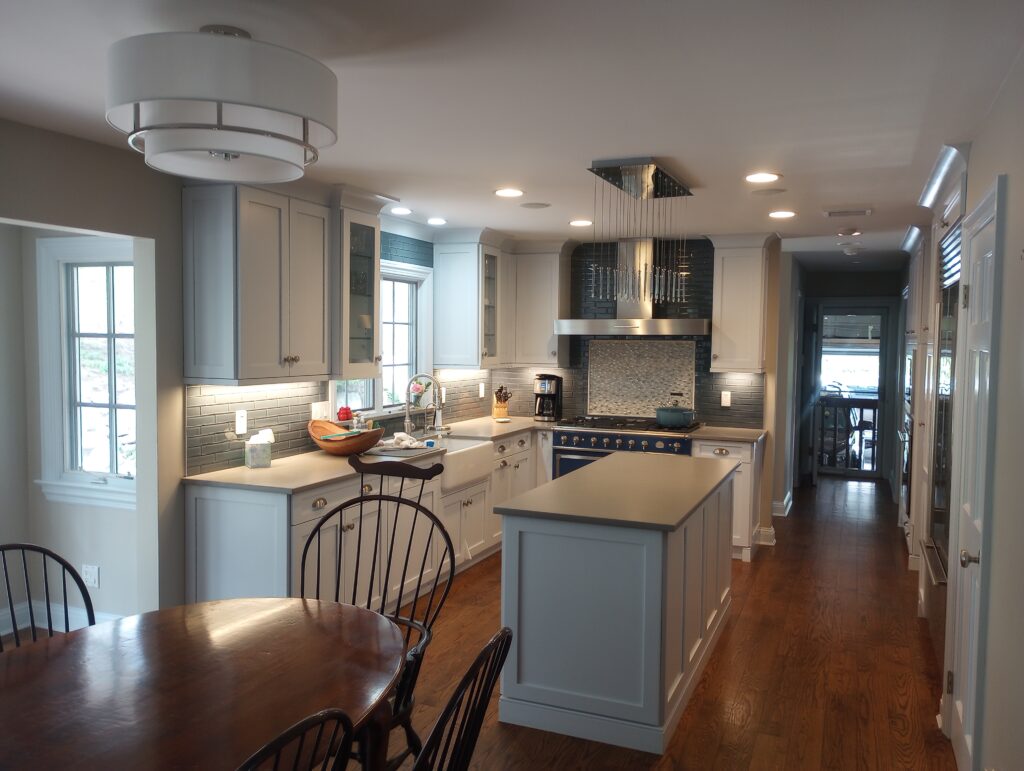
Premium open-concept kitchen wall, ceiling, and architectural trim painting meticulously completed in Mahwah, New Jersey by Perfection Plus Painting.
- Use a “W” or “M” motion to evenly distribute paint on the wall.
- Work in small sections, overlapping each stroke to avoid visible lines.
- Load the roller evenly with paint and remove excess to prevent drips.
-
Drying Time:
- Allow sufficient drying time between coats as recommended by the paint manufacturer.
- Keep the room well-ventilated to speed up drying.
-
Cleanup:
- Clean brushes, rollers, and other tools immediately after use to prolong their lifespan.
- Dispose of leftover paint and empty cans properly according to local regulations.
-
Finishing Touches:
- Once the paint is dry, reattach fixtures and switch plates.
- Inspect the painted surfaces for any touch-ups needed and address them accordingly.
-
Maintenance:
- Regularly clean painted surfaces with mild soap and water to keep them looking fresh.
- Address any stains or marks promptly to prevent them from setting in.
By following these best practices, you can achieve a professional-looking finish and ensure the longevity of your interior paint job.
If you’re unsure about any step or aspect of the process, Contact Perfection Plus Painting today for professional advice or a free proposal.